5 Tax-Smart Trips Every Entrepreneur Should Plan in the New Year
Travel doesn’t have to be random — or purely recreational.
When planned intentionally, trips can support your business, your creativity, and your tax strategy at the same time. The key isn’t traveling more. It’s traveling with purpose.
Here are five tax-smart trips every entrepreneur should consider building into their year — not as extras, but as part of how the business actually works.

1. The CEO Planning Retreat
Purpose: Strategy, clarity, and decision-making
Best timing: Q1 or year-end
A planning retreat is one of the most powerful — and overlooked — business trips.
This isn’t a vacation. It’s time away from daily noise to:
• Review the business
• Set priorities
• Plan launches, travel, and revenue
• Make decisions without interruption
When the primary purpose is planning and strategy, travel tied to this retreat may be deductible with proper documentation.
CEO tip:
Keep an agenda, notes, and calendar blocks showing the business purpose of the trip.

2. The Networking Cruise or Group Travel Event
Purpose: Relationship-building and visibility
Best timing: Q2–Q3
Cruises, group trips, and retreats often double as powerful networking opportunities.
If the trip includes:
• Structured business events
• Networking opportunities
• Educational sessions
• Industry-specific communities
… it may qualify as business travel.
These trips are especially effective because they:
• Build relationships faster
• Create referral opportunities
• Support long-term growth
CEO tip:
Document who you met, what sessions you attended, and how it ties to your business.
3. The Quarterly Content Creation Trip
Purpose: Marketing, brand visibility, and content
Best timing: Q2–Q4
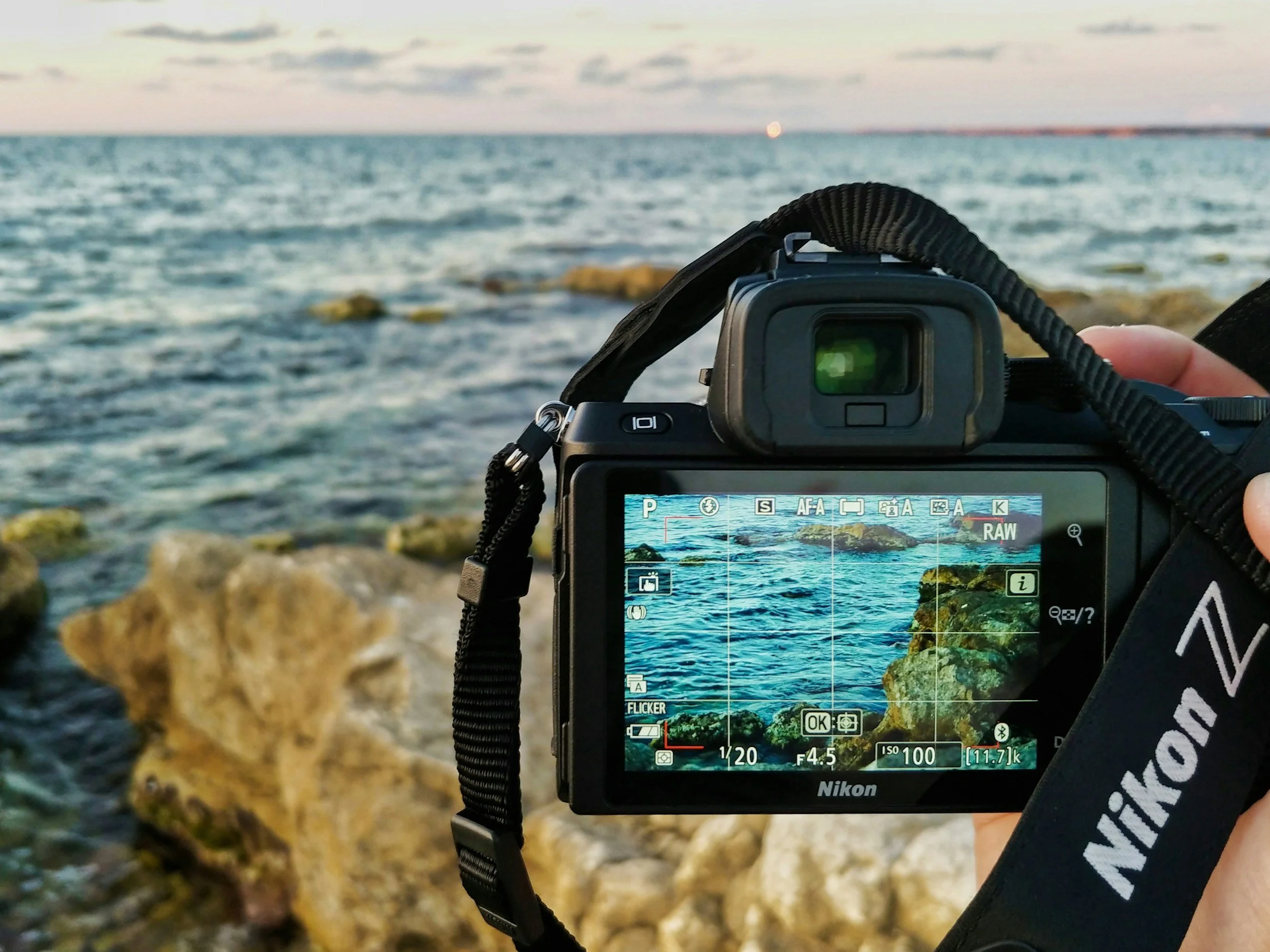
Content trips are ideal for entrepreneurs whose brand relies on:
• Visibility
• Education
• Lifestyle storytelling
• Location-based marketing
These trips are designed to:
• Batch photos and videos
• Film campaigns
• Create seasonal content
When travel supports marketing and content creation, it may qualify as deductible.
CEO tip:
Create a content plan before you travel — and save the deliverables.

4. The Industry Conference Trip
Purpose: Education, growth, and positioning
Best timing: Any quarter
Conferences are one of the clearest forms of deductible business travel.
They support:
• Continuing education
• Industry awareness
• Professional credibility
• Networking
Travel, lodging, and registration costs tied to conferences are commonly deductible when the event is relevant to your business.
CEO tip:
Save the conference agenda and proof of attendance.

5. The Training or Education Trip
Purpose: Skill-building and leadership development
Best timing: Q1 or Q4
This includes:
• Workshops
• Certification programs
• Intensive training
• Leadership education
When education improves your existing business skills, travel associated with it may qualify.
CEO tip:
Make sure the education relates directly to your current business — not a future one.

How to Travel Tax-Smart (Without Stress)
To keep travel deductions clean and defensible:
• Book travel through your business account
• Keep receipts and itineraries
• Document the business purpose
• Separate personal travel clearly
• Plan trips before the year begins
Clarity upfront prevents stress later.

Final Thought
Tax-smart travel isn’t about stretching the rules. It’s about intentional planning. When trips are designed to support growth, clarity, and sustainability, they become part of your business — not a break from it. That’s how entrepreneurs travel smarter in the new year.
Work Smarter. Travel Better. Deduct Responsibly.
